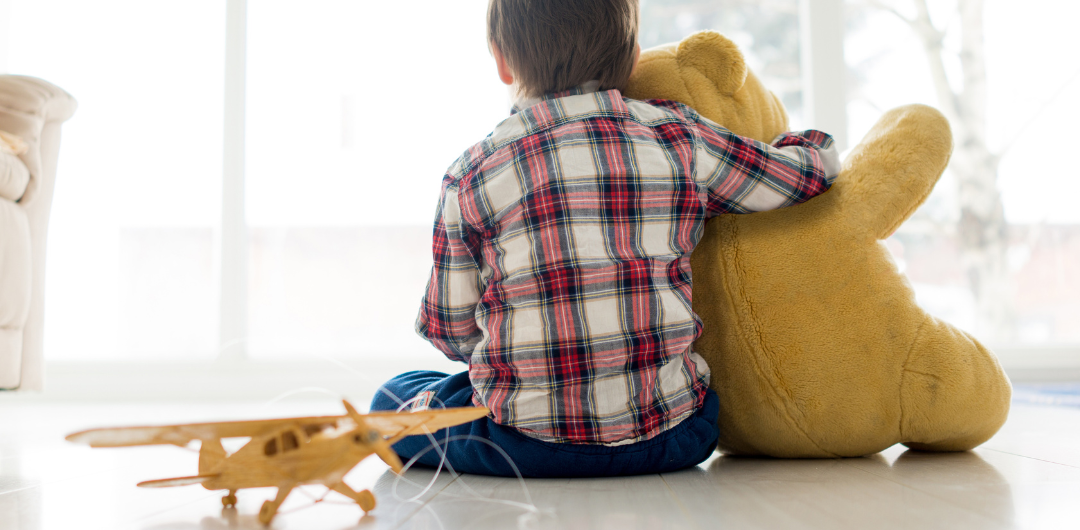
Treat Your Friends’ Siblings with Kindness: Why This Manner Matters
To treat friends siblings with kindness — to notice the younger kid at your friend’s house and choose decency over dismissal — is one of those teen manners that rarely gets explicit attention and yet reveals character more clearly than almost anything else. How a teenager behaves toward someone who is younger, less powerful, and completely unable to defend themselves from dismissal or cruelty is one of the most honest windows into who they actually are. To treat friends siblings with kindness is not a small thing. It is a visible test of genuine decency that every parent, every friend, and every younger child is watching and remembering.
Why We Must Treat Friends Siblings with Kindness
When teenagers hang out at a friend’s house, there are almost always younger siblings present — a little kid who wants to be part of what is happening, who looks up to the older teenagers with undisguised admiration, and who does not have the social power to demand consideration. What happens next is character in real time.
The teenager who treats that younger sibling with basic warmth — who says their name, who gives them a moment of real attention, who does not make them feel like an inconvenience — is doing something that matters. The teenager who rolls their eyes, ignores them, makes them the target of mockery, or treats them like furniture is also doing something that matters. Both are noted by the parents of that household, by the friend themselves, and — though they may not realize it — by the younger sibling who will carry those interactions far longer than the older teenager expects.
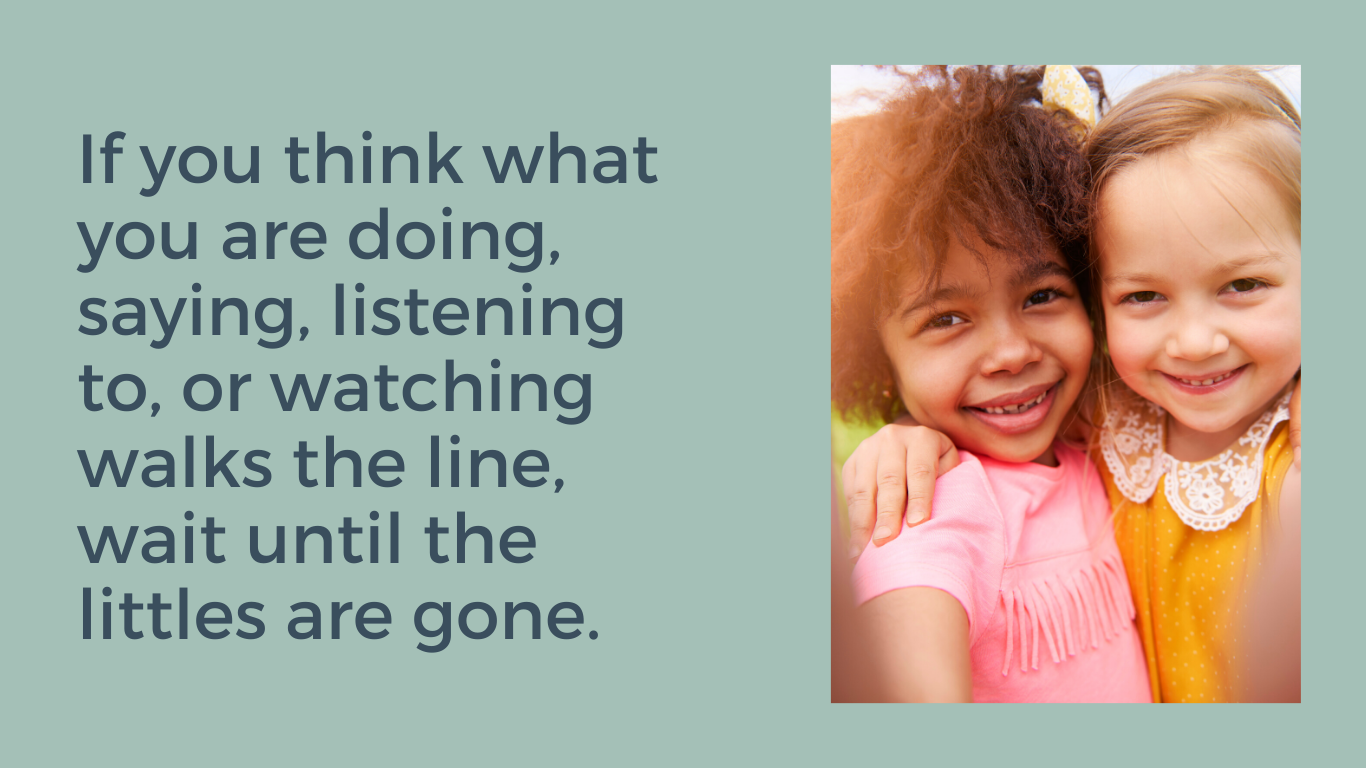
What It Looks Like to Treat Friends Siblings with Kindness
This manner does not require going out of your way or giving up large amounts of time. It requires awareness and basic decency.
Acknowledge Them When You Arrive
When you come into a friend’s house and a younger sibling is there, acknowledge them. Say hello. Use their name if you know it. This takes five seconds. To treat friends’ siblings with kindness starts with making them feel seen rather than invisible in their own home.
Give Them a Genuine Moment
If a younger sibling approaches you — to show you something, to tell you something, to try to be part of the group — give them a real moment before you redirect them. Get down to their level. Actually listen for 30 seconds. Ask one question. Then, kindly, let them know you need some time with your friend: “That’s really cool. Your brother and I are going to hang out now, but I’ll see you later.” To treat friends’ siblings with kindness does not mean including them in everything — it means not excluding them with contempt.
Do Not Make Them the Object of Jokes
The youngest person in any group is the most vulnerable to mockery. A younger sibling who wants to be around older teenagers and gets repeatedly laughed at, dismissed, or made the subject of humor is being harmed. To treat friends’ siblings with kindness means choosing not to participate in or initiate that dynamic — even when it would be easy and even when no one seems to object. The fact that someone is in a position where they cannot effectively push back is exactly the reason to be careful.
Take Their Admiration Seriously
Younger kids often look up to older teenagers with genuine admiration. They want to be like them, they want to be noticed by them, they copy their style and mannerisms. To treat friends’ siblings with kindness means taking that admiration seriously enough to be someone worthy of it. What you model for a younger child who is watching you is not neutral — it is influence, whether you want it to be or not.
What This Manner Reveals and Who It Affects
Parents watch this closely. A teenager who comes to their home and treats their younger child with warmth and genuine consideration is immediately more welcome, more trusted, and more likely to be seen as a positive influence on their older child. A teenager who is dismissive, unkind, or uses their social advantage over a younger child is seen very differently — and that perception shapes who is invited back and who is not, often without the older teenager ever knowing why.
Your friend watches this too. You may not realize how much it means to a teenager to see someone they care about treat their little sibling well. And you may not realize how much it costs the friendship when someone they care about is consistently unkind to a sibling they love.
Related Reading
These posts from Brooke Romney Writes go hand in hand with this one:
- 52 Modern Manners for Today’s Teens
- sincere compliments for teens that work
- school mental health week — spread sunshine
Helpful External Resources
Frequently Asked Questions: Treating Friends’ Siblings with Kindness
Why does it matter how a teenager treats their friends’ siblings?
To treat friends’ siblings with kindness matters because it reveals fundamental character: how we treat people who are younger and less powerful than us is one of the truest measures of who we are. It also affects the friendship directly — the friend notices, the parents notice, and the younger sibling carries those interactions longer than the older teenager expects. Kindness here is not optional social polish; it is genuine decency in action.
What does it look like to treat a friend’s sibling with kindness?
To treat friends’ siblings with kindness does not require large gestures — it requires basic acknowledgment and decency. Say hello when you arrive, use their name, give them a genuine moment of attention before redirecting them, do not make them the object of jokes, and be someone worthy of the admiration younger kids often have for older teenagers. Five seconds of genuine warmth from an older teen means more to a young child than most teens realize.
How do I teach my teenager to be kind to younger kids?
Model it first. Talk explicitly about what it looks like to treat friends’ siblings with kindness and why it matters. When you see your teenager do it well — acknowledge it specifically. When you see them get it wrong, address it directly but without shaming: “I noticed how you talked to [name] when you were leaving. That’s worth thinking about.” The conversation is more effective than a lecture.