Social Media Clean Out: Your Feed, Your Terms
It is time for a social media clean out — and not because social media is inherently bad, but because most people’s feeds have become something that happened to them rather than something they chose. Your feed should be like your home. If someone is making you miserable or forcing an unhealthy relationship, they are not welcome. A social media clean out is the act of taking your own space back on your own terms.
What a Social Media Clean Out Actually Looks Like
A social media clean out is not a dramatic purge or a declaration of independence from the internet. It is a quiet, personal curation. It is asking of each account you follow: is this serving me right now? The answer changes over time — which is why a social media clean out is not a one-time event but an ongoing practice.
Here is how it has worked in my own life:
When Money Was Tight
I unfollowed every account that made me feel like I regularly needed to buy something. A weight was lifted immediately. I felt satisfied with what I had instead of sad I could not have more. If I needed a birthday gift, a new rug, or the perfect sweater, the page was still there — ready and waiting — but on MY terms, when I went looking, not showing up uninvited to remind me of what I lacked.
When Body Image Was Hard
I did a social media clean out of exercise and restrictive food accounts. This did not make me less committed to being healthy — it removed the content that was feeding comparison rather than motivation. There is a real difference between accounts that inspire you and accounts that make you feel bad about yourself while technically promoting healthy habits. The social media clean out helped me tell the difference.
When Work Was Busy
I muted the creative motherhood pages that induced guilt during stretches when I simply did not have the bandwidth to be the kind of parent those pages were showcasing. Muting is different from unfollowing — it is temporary, they cannot see it, and the account is still there when you return from a better headspace.
People I Like in Real Life
If there was someone I genuinely liked in person but who drove me crazy online — whose posts made me see them differently, whose content was consistently frustrating even when I had no complaint about who they were face to face — I muted them. I saved our real relationship by enjoying who they actually were rather than being worn down by their online persona. This is one of the most useful tools in the social media clean out: the mute button preserves friendships while protecting your peace.
Teach Your Teens This Practice
Help your teenagers understand the concept of a social media clean out before they desperately need it. There is enormous freedom in understanding that your feed is yours — that you get to decide what is welcome there. The mute button is powerful. The unfollow button is powerful. The understanding that consumption is a choice rather than a passive happening changes how teenagers relate to the content that is constantly being served to them.
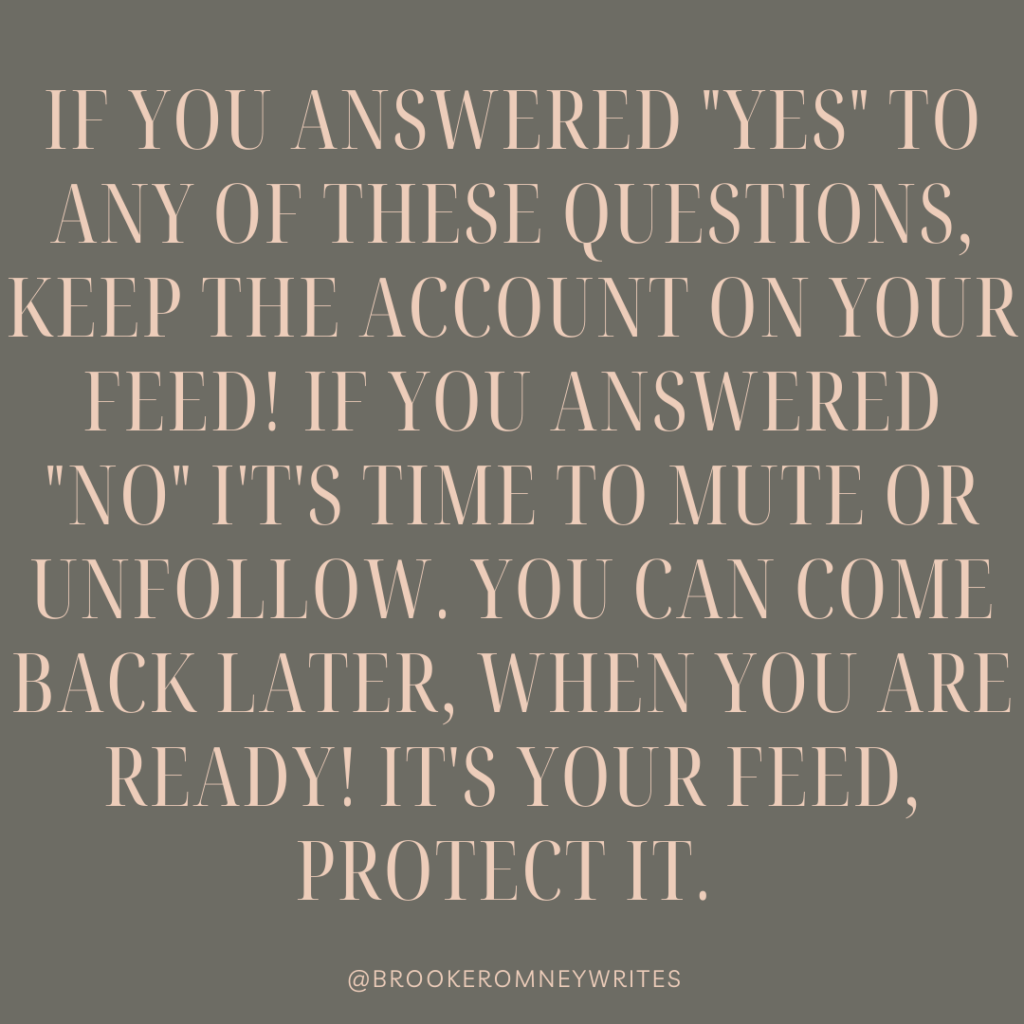
One practical way to do this: gather your family and go through each account you follow together. For each one, ask a few honest questions: Does this account make you feel better or worse about yourself? Does it add genuine value to your day? Does it reflect who you want to be? If you can honestly answer yes to a few of those, keep it and engage generously. If the honest answer is no — if it consistently makes you feel inadequate, envious, angry, or left out — a social media clean out means that account goes.
Your Feed, Your Home
The key principle behind any good social media clean out is this: your feed should work for you. Not against you. Not for the algorithm’s engagement metrics. Not for the person who wants you to see how good their life looks. For you. A feed curated with that principle in mind is genuinely different from one that has accumulated by default over years of clicking follow without asking what you were inviting in.
Do the social media clean out. Then do it again next season when your life is different and what you need from your feed has shifted. This is not a one-time project — it is an ongoing practice of treating your own mental space like something worth protecting.
Related Reading
These posts from Brooke Romney Writes go hand in hand with this one:
- 12 ways to protect your peace
- how to reduce screen time for teens
- summer with teens tackling technology
Helpful External Resources
Frequently Asked Questions: Social Media Clean Out
How do you do a social media clean out?
A social media clean out means going through every account you follow and asking honestly: does this make me feel better or worse? If an account consistently makes you feel left out, angry, insecure, or like your life is not enough — mute it or unfollow it. Your feed should work for you, not against you. Your social media clean out is an act of taking your own space back on your own terms.
How often should you do a social media clean out?
A social media clean out is most effective when it happens regularly rather than once. Your life circumstances change, and what serves you shifts with them. Do a social media clean out whenever your feed is consistently making you feel worse rather than better — and check in proactively every few months as your circumstances and needs evolve.
Is it okay to unfollow people you know in real life?
Absolutely. One of the most useful tools in a social media clean out is the mute button, which preserves real-life relationships while removing online content that is causing friction. Muting someone is not unkind — it is honest and protective of a relationship worth keeping in real life.
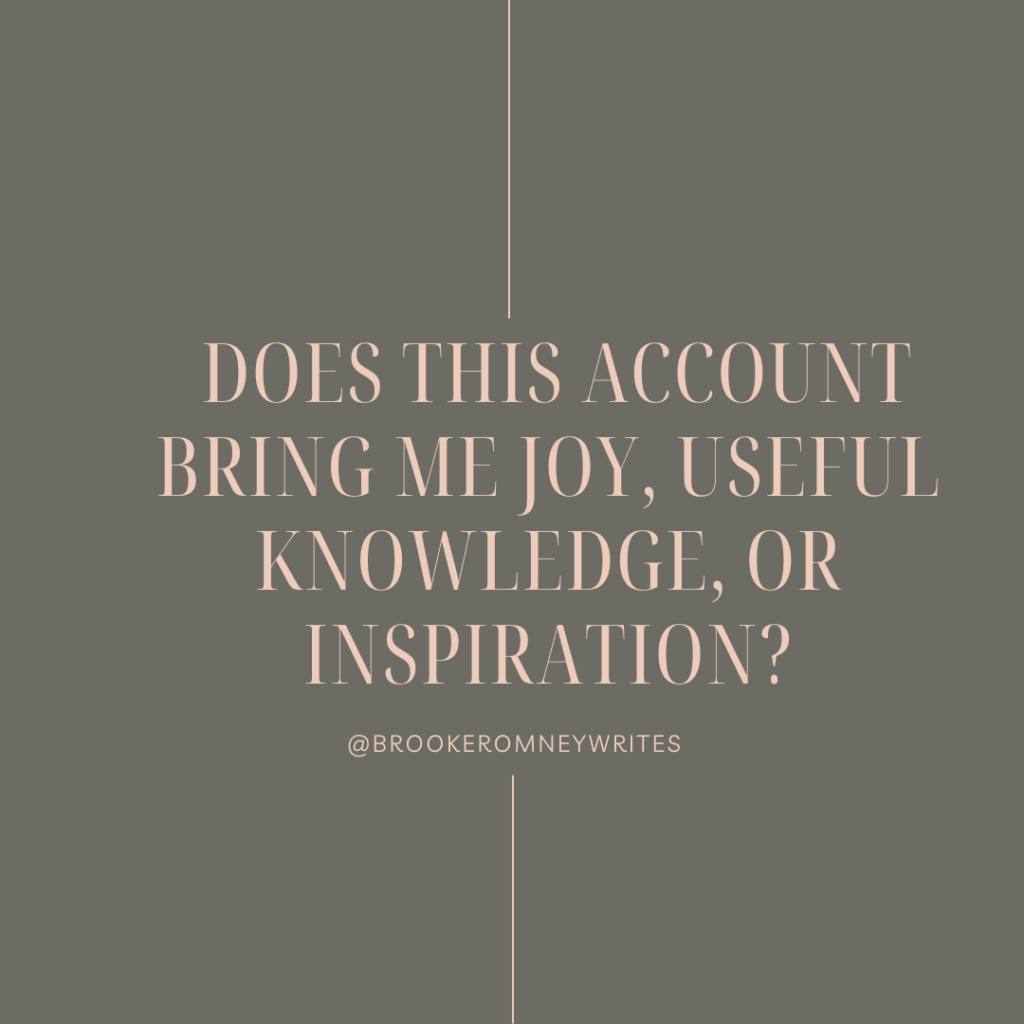
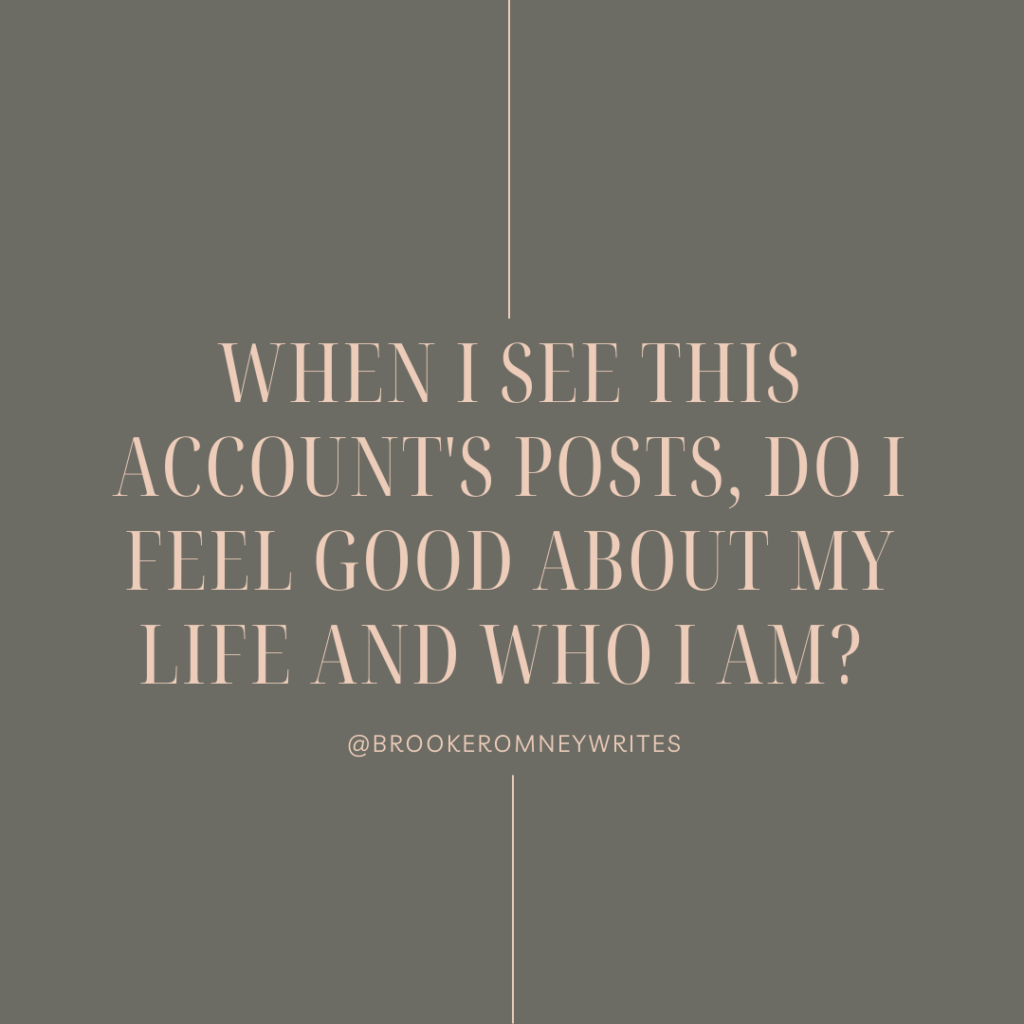
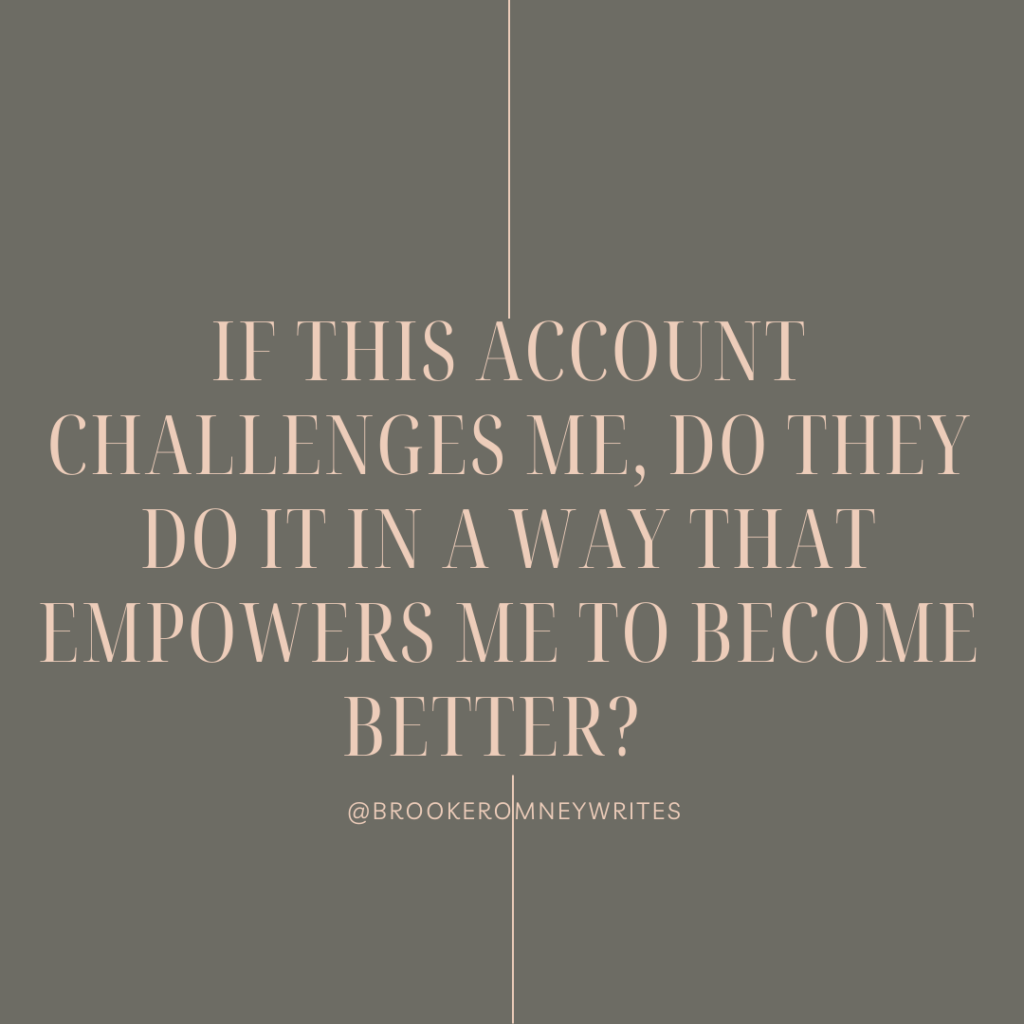

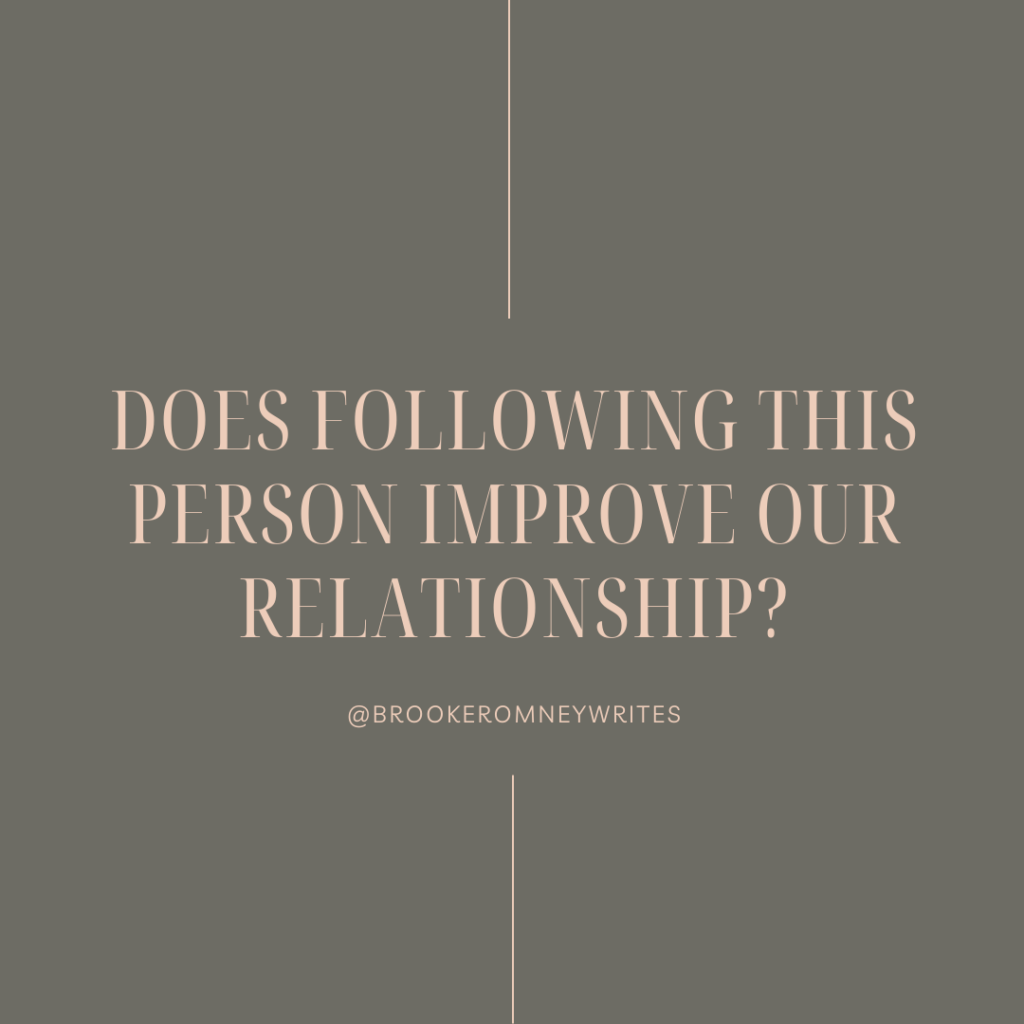
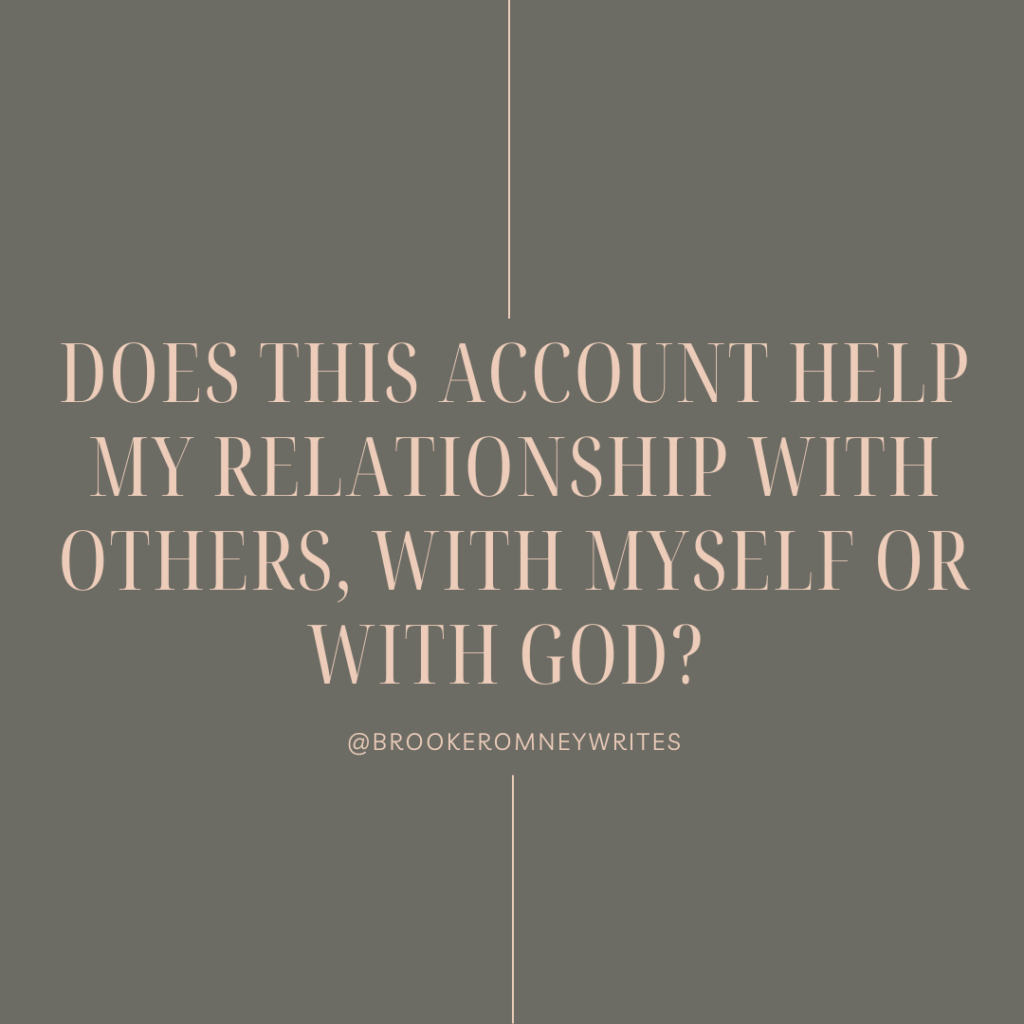
If you can answer yes to a few of the questions, keep following & engage with the creator! Let them know how much you value what they produce and share it with your friends!