Why Does My Teenager Smell So Bad? Real Causes and Fixes Parents Swear By
Your teen showers every day and still smells… a lot. Here’s why puberty makes body odor so much worse, plus the causes and fixes real parents say actually worked.
If you’ve caught yourself standing in your teenager’s doorway thinking, “How does a kid who showers every single day smell like this?” you are not alone. One day your kid smells like a kid; then suddenly they smell like a full-grown, sweaty adult, no matter how much soap you use.
The good news is that this is almost always normal, explainable, and fixable. The slightly less fun news is that “just take a shower” often isn’t enough anymore, because puberty changes the rules. Below is a breakdown of why it happens, what actually seems to help (pulled from real conversations among parents who’ve been in the same boat), and when it’s worth calling the doctor instead of another bottle of body wash.
A quick note before we dive in: most of what’s below is real-world, crowdsourced parenting experience — not a clinical study. I’ve flagged the more “folk remedy” ideas as exactly that. Treat this as a starting list of things to try, not a guaranteed medical fix, and loop in your pediatrician for anything that seems extreme or doesn’t budge.
Why Teens Suddenly Get So Stinky
The short version: puberty ramps up hormone production, and hormones ramp up both sweat and oil production. At the same time, the bacteria that live on everyone’s skin start multiplying faster in that new, sweatier environment — and it’s actually the bacteria breaking down sweat, not the sweat itself, that causes body odor.
That means two things are usually happening at once:
- The hygiene routine that worked at age nine doesn’t work anymore. A lot of kids learned a “quick soapy rinse” that was perfectly fine before puberty and just never upgraded it once their bodies changed.
- Water alone isn’t soap. Rinsing off in the shower without actually washing with soap (and scrubbing, not just standing under the water) leaves the odor-causing bacteria mostly intact.
Once you understand that it’s a bacteria problem, not just a “needs more deodorant” problem, the rest of the fixes make a lot more sense.
Body Odor: Causes and What Helps
What’s usually going on: bacteria buildup, hormonal changes, using deodorant instead of antiperspirant, not exfoliating, or reapplying nothing during a long school day.
Tips parents say made a real difference:
- Switch from a regular body wash to an antibacterial bar soap for pits and other problem spots — plain body washes typically aren’t antibacterial, so this is a different job than what most teens are already doing.
- Actually scrub with a washcloth, loofah, or exfoliating gloves instead of just letting soap run over the skin. Soap alone can mask smell temporarily rather than remove the bacteria causing it. Make sure those scrubbing tools get WASHED!
- Try an antiperspirant instead of (or in addition to) deodorant — antiperspirant addresses the sweat itself, deodorant just masks odor. Many teens apply it at night rather than in the morning.
- Send a travel-size deodorant in a backpack or gym bag for a midday reapplication, especially on PE or practice days.
- If regular products aren’t cutting it, some parents have had good luck with exfoliating acids (like a glycolic acid toner) applied after showering and before deodorant under the arms, or with antiseptic washes designed for stubborn bacteria — both are stronger than an everyday soap, so read labels and patch-test first.
Products That Can Help Body Odor

Dial (Gold) antibacterial bar soap— helps treat the extra bacteria

Hibiclens (chlorhexidine gluconate antiseptic wash)— the single most-repeated product, but be careful: avoid the face, eyes, and genital area. A medical-grade product, so keep out of kids’ reach/eyes, etc.

Panoxyl (benzoyl peroxide wash ~4%) will bleach towels and fabric

CeraVe foaming acne body wash — used on underarms and feet

The Ordinary glycolic acid toner/liquid — applied to pits (and feet) before deodorant

Carpe deodorant/antiperspirant — a miracle deodorant; also makes a lotion for sweaty hands/feet

Sweat Block Antiperspirant

Nuud Deodorant Paste

Secret Gel Deodorant

Medicube Deodorant: a great smell and super long-lasting

Papatui Deodorant — keeps you smelling fresh and dry for 24 hours, even for big sweaters

Lady Speed Stick gel deodorant

Salt and Stone Deodorant

Tru Remedy Naturals Tea Tree Oil Body Wash

Mary Ruth’s liquid chlorophyll drops (mint flavor recommended) — internal/dietary, not topical

Gruns brand probiotic — internal/dietary

Calm magnesium gummies — internal/dietary

Exfoliating Sugar Scrub

Rubbing Alcohol (plain, wiped on with a cotton pad)

Castor Oil

Loofah Sponge

Exfoliating gloves
DIY aloe vera + rubbing alcohol + essential oil gel
Drysol — prescription-strength antiperspirant, mentioned for suspected hyperhidrosis. ⚠️ This is prescription-strength (needs a doctor) and should not be applied right after shaving.
Foot Odor: Causes and What Helps
What’s usually going on: bacteria thriving in damp shoes and socks, synthetic materials that trap moisture, wearing the same shoes every day without letting them dry out, or (less commonly) a fungal issue that needs a different approach than regular washing.
Tips parents say made a real difference:
- Swap synthetic socks for wool, cotton, or bamboo — natural fibers breathe better and trap less moisture.
- Rotate shoes so each pair gets a full day (or more) to dry out completely before being worn again.
- Change socks daily at minimum, and mid-day too for active kids.
- Try a dedicated shoe deodorizer, or the “freezer trick” some parents swear by: seal shoes in a bag and freeze them overnight to help kill odor-causing bacteria.
- If a foot or skin-fold smell doesn’t respond to any of the above, it may be fungal rather than just bacterial — that calls for a different kind of product (see the medical section below).
Products That Can Help: Foot Odor

Soul-Pourri Shoe + Foot spray (“made by the same people as Poo-Pourri”)

Mando — foot deodorant

Lotrimin (or store-brand antifungal spray) — for suspected fungal issues specifically, not regular odor. ⚠️ Note from the self-identified pediatrician in the thread: this is for itchy/fungal-type foot or skin-fold smell, not everyday odor — and if shoes can’t be washed/cleaned and still smell, her advice was they may need to be replaced rather than treated.

Carpe foot/hand lotion

Wool Socks

Men’s Bamboo Socks

Women’s Bamboo Socks

Apple Cider Vinegar (for a foot soak)

Hibiclens, Panoxyl, and The Ordinary glycolic acid — same products as above, also used on feet.
Rubbing Alcohol (sprayed in shoes)
Hair and Scalp Odor
What’s usually going on: skipping hair-washing days (common with teens trying to preserve a hairstyle), not actually scrubbing the scalp when they do wash, not rinsing shampoo and conditioner all the way out, or going to bed with wet hair.
Tips parents say made a real difference:
- Wash hair daily for teens who are sweaty or athletic — this alone resolved a lot of the “hair smell” parents were dealing with.
- Make sure shampoo gets worked into the whole scalp, not just dumped in one spot, and is rinsed out completely (same for conditioner).
- Try a clarifying shampoo occasionally to clear product buildup.
- Never go to bed with wet hair — it transfers oil and moisture straight to the pillow, which then re-transfers back to your teen the next night.
Products That Can Help

Clarifying Shampoo

Scalp Scrubber
The Bedroom and Laundry Culprit You’re Probably Missing
Here’s the one that surprises the most parents: sometimes it isn’t the kid, it’s the bed. Teens spend eight-plus hours a night sweating into the same sheets, and during puberty that buildup happens fast. A few parents have described tracking down a mystery smell for weeks, only to realize it was sweaty bedding—or a teen overheating at night under too many blankets.
Tips parents say made a real difference:
- Wash sheets weekly. This came up again and again as one of the most overlooked, highest-impact fixes.
- Wash towels a couple of times a week, especially if anyone’s using an acne or antibacterial wash that can affect fabric.
- Don’t forget the repeat-offender items — the one hoodie or pair of sweatpants that gets worn five days in a row without a wash.
- If your teen wakes up sweaty, check whether they’re overheating at night — too many blankets or the wrong pajama fabric for the season can be an easy fix.
- For laundry that already smells musty or “stuck,” a dedicated laundry sanitizer or odor-eliminating additive (used in addition to regular detergent) was one of the most enthusiastically recommended fixes among parents dealing with teen laundry specifically.
- Check their laundry habits. Teens doing their own wash can leave items in the washer for way too long and they will pick up a mildew smell that can transfer to their body. Show them how to use vinegar or baking soda to get rid of the smell and remind them to transfer from the washer to the dryer quickly.
Products That Can Help: Laundry & Bedding

Lysol Laundry Sanitizer — the most enthusiastically repeated laundry product, used both in the wash and sprayed directly on clothes pre-wash.

Rockin’ Green Detergent

OxiClean Powder — for laundry and for soaking stinky pillows/comforters

Tide Powder (specifically noted for having an amylase enzyme)
DYI: Generic/no brand named: washing soda + sodium percarbonate (“green bleach”) for an eco-friendly option
Borax + vinegar + washing soda for the “stripping” method on already-stinky clothes
Plain household bleach (1 tablespoon, for musty towel smell)
Does Diet Play a Role?
This is the part of the conversation where the evidence gets more anecdotal, so take it as “worth trying,” not “guaranteed.” A number of parents reported that cutting back on sugar, greasy food, or red meat noticeably improved their teen’s body odor, and several linked general gut health, hydration, and fiber intake to how strong sweat smells. None of this replaces the hygiene basics above, but if you’ve got the fundamentals covered and are still stuck, it may be worth looking at what’s on the plate.
Products that can help: Bad Breath
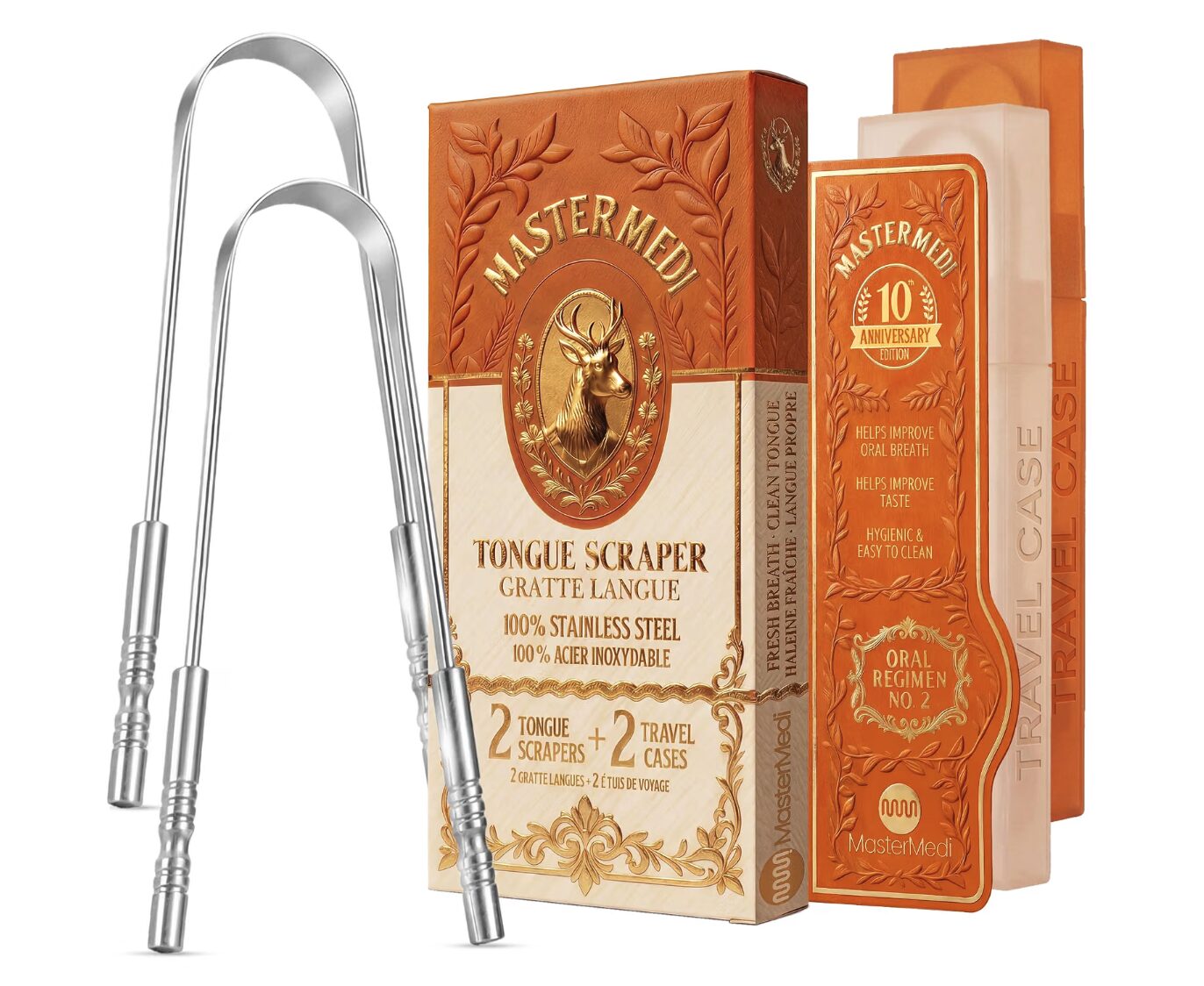
Tongue Scraper
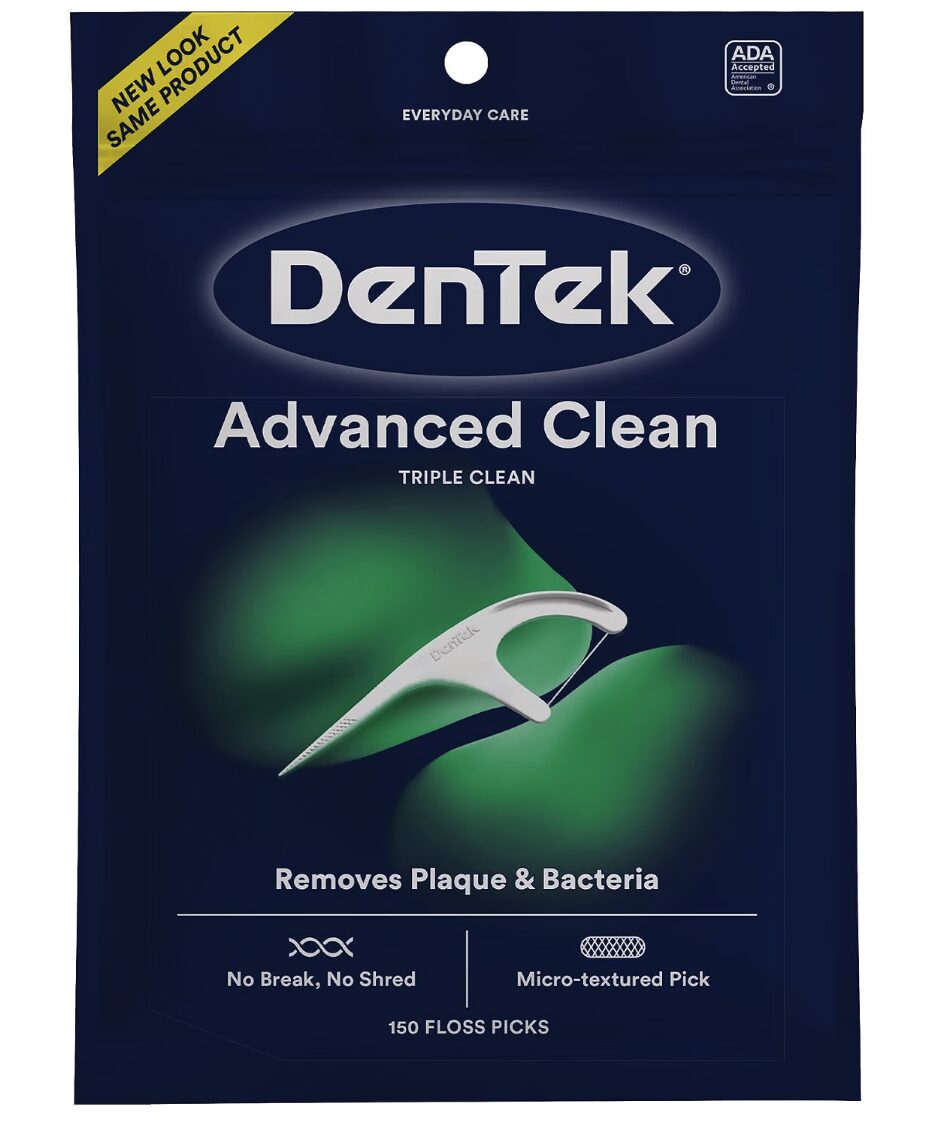
Floss Sticks
When It’s More Than Normal Teen Funk
Most stinky-teen situations are just puberty plus a hygiene routine that needs an upgrade. But a few things are worth mentioning to your pediatrician rather than solving with another product:
- Sweating that seems excessive for the temperature or activity level (a condition called hyperhidrosis affects some people specifically in the underarms, hands, or feet, and there are real medical treatments for it).
- A foot or skin-fold odor that doesn’t respond to washing at all — this can sometimes be a fungal issue rather than a bacterial one, and needs an antifungal approach instead of more soap.
- Persistent bad breath despite consistent brushing and flossing, which can sometimes point to something dental that’s worth a checkup.
None of these are meant to alarm you — they’re common, treatable, and a doctor can point you to the right fix quickly.
How to Talk to Your Teen About It (Without the Blowup)
This might be the hardest part for many parents, and it deserves its own section. A few things that reportedly work better than a direct, in-the-moment callout:
- Timing matters more than almost anything else. Bring it up when your teen already smells good and feels confident — not right after practice, and not in the middle of them already feeling self-conscious. Compliment first, then gently mention your idea.
- Leave products where they’ll find them, with a short, kind note, instead of a formal conversation. A lot of teens would rather quietly discover a new deodorant on their bathroom counter than sit through a talk about it.
- Use your own experience as the way in. Something like, “I’ve been so much sweatier this summer, I found this and got some for all of us to try,” takes the spotlight off your teen specifically.
- Make it a family topic, not a callout. Talking about hygiene, laundry, and self-care as things the whole household works on (not just the one kid who smells) tends to land with a lot less defensiveness.
- Text instead of talk, if that suits your kid. Some teens process an awkward topic better in writing, where they can read it, sit with it, and respond on their own time.
In the long run, most teens would rather hear it gently from a parent than find out from a friend.
Frequently Asked Questions
Is it normal for teenagers to suddenly smell so much worse? Yes — puberty increases both sweat and oil production, and the bacteria responsible for body odor multiply faster in that environment. A hygiene routine that worked before puberty often needs an upgrade, not because your teen is doing anything wrong, but because their body chemistry has changed.
What’s the difference between deodorant and antiperspirant for teens? Deodorant masks odor; antiperspirant reduces the sweat itself. Teens dealing with stronger-than-average body odor often do better switching to (or adding) an antiperspirant, sometimes applied at night.
Why do my teen’s feet smell so much worse than before? Damp shoes and socks create a breeding ground for the bacteria that cause foot odor. Rotating shoes so they can fully dry out, switching to natural-fiber socks, and washing feet with an antibacterial product are the most commonly recommended fixes.
When should I take my teen to a doctor about body odor? If odor doesn’t improve with consistent hygiene changes, seems unusually excessive for the situation, or is localized to a foot/skin-fold area that won’t respond to washing, it’s worth a pediatrician visit — there may be a treatable underlying cause like hyperhidrosis or a fungal infection.
If you try any of these and find a product that becomes a holy grail in your house, I’d love to hear about it in the comments.
This post contains affiliate links. If you buy through one, I may earn a small commission at no extra cost to you.